What G-Sound can help with
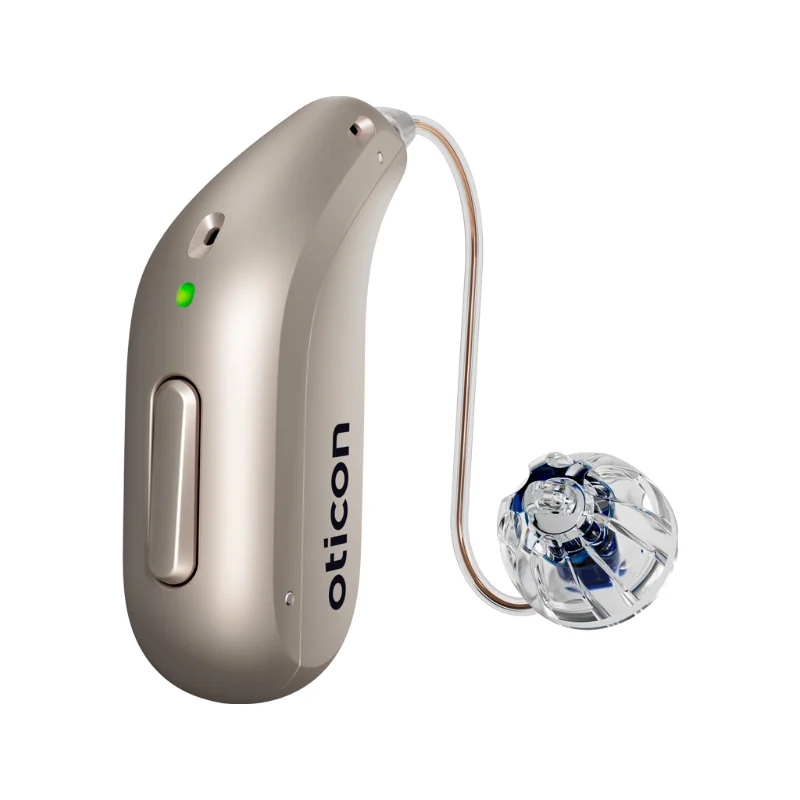
Hearing aids
Assessment, choice, fitting and follow-up. Authorized Philips and Oticon dealer.
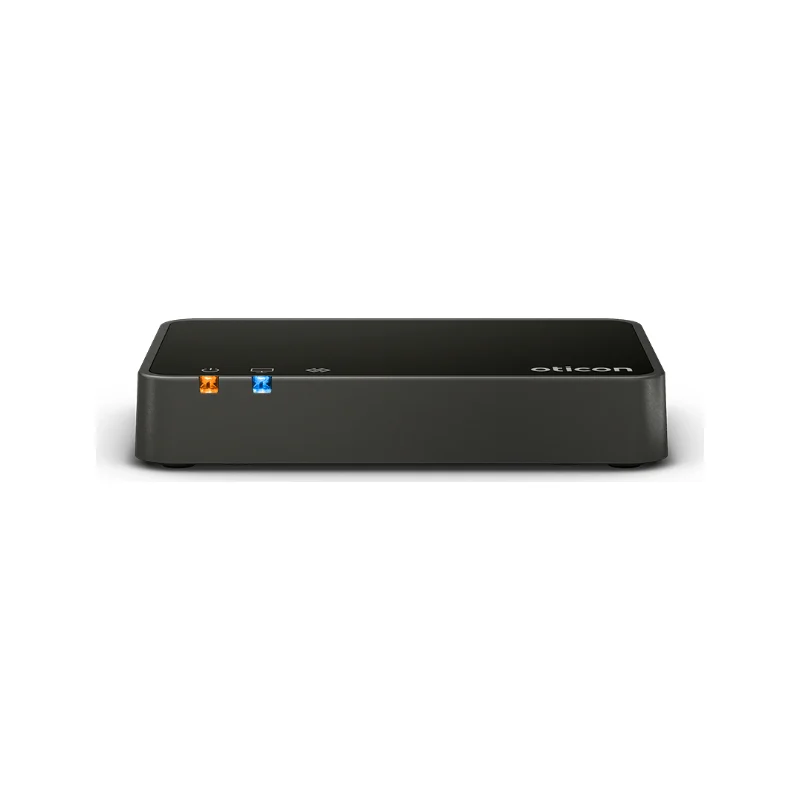
Accessories
Chargers, TV adapters, remote microphones and more.
Custom earplugs
Made from an impression or a scan, for noise, water, sleep and hearing aids.
Start with your hearing needs, not a model
A useful hearing-aid conversation starts with the situations in which hearing has become difficult. That may be speech in a busy room, television, telephone calls, meetings, family conversations or hearing from another room. Comfort, handling, vision, dexterity and the amount of support available at home also matter.
If you have a recent hearing assessment, keep it available. If you do not, explain what has changed and whether one or both ears are affected. G-Sound can then help you understand the appropriate next step and which questions should be answered before a device is selected.
How the hearing-aid process works
The process should connect a current hearing assessment with your communication needs, preferred device style and everyday routine. A recommendation is only the beginning: physical fit, programming, orientation and follow-up adjustments all influence how useful the hearing aids become in real life.
Prepare for the first conversation
Think about the listening situations that matter most, any previous devices, your phone model and whether a family member should be involved. This gives the first conversation a clear practical focus.
Discuss fitting and follow-up
Ask what is included in the proposed route, how adjustments will be handled and what you should do if the device is uncomfortable or does not meet the agreed listening goals. Exact commercial terms should be confirmed before purchase.
Private service and the HMO route
In Israel, some adults may be eligible for support through their HMO pathway. A private purchase is a separate commercial route. It may offer a more direct service relationship, but reimbursement is not automatic, so eligibility and reimbursement conditions should be checked directly with the HMO before making a private commitment.
The right route depends on your eligibility, the provider arrangements available to you, the device and service options offered, and the type of support you want. The private vs HMO comparison explains the questions to ask before deciding.
English-language guidance
G-Sound can provide the conversation in English, including for people who live in Israel, new immigrants and relatives helping from abroad. The goal is straightforward communication about needs, options and next steps. Participation by a relative should be arranged with the client’s consent.
Home visits and contact
A home visit may be possible depending on location, scheduling and the service required. It is not guaranteed. Call with the city, the person’s main hearing difficulty and any existing hearing-test or device information so availability and the appropriate next step can be confirmed.
Frequently asked questions
Can I receive hearing-aid service in English in Israel?
Yes. G-Sound can handle enquiries and personal hearing-aid guidance in English.
Do I need a hearing test before choosing a device?
A current professional assessment is important for an appropriate recommendation. The exact route depends on your circumstances and any assessment you already have.
Can the fitting take place at home?
A home visit may be available subject to location, scheduling and the service required. Confirm availability when you call.
How do I compare private service with the HMO route?
Check your eligibility and reimbursement conditions directly with your HMO, then compare the actual device, fitting and follow-up terms offered under each route.